

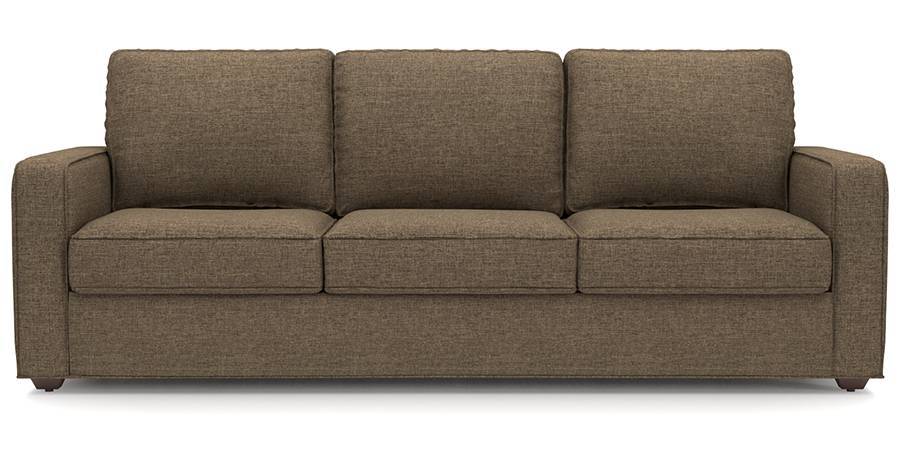
In an age where sustainability is no longer just a buzzword but a lifestyle, homeowners are increasingly seeking environmentally friendly alternatives in all areas of home design — including furniture. One of the most impactful yet often overlooked changes you can make is choosing eco-friendly sofa upholstery. Not only does it reduce your carbon footprint, but it also supports a healthier home environment and promotes responsible consumer habits.
If you’re planning to upgrade or reupholster your sofa, here’s everything you need to know about sustainable upholstery options that combine style, comfort, and conscience.
Why Choose Eco-Friendly Sofa Upholstery?
Before diving into material options, let’s explore why going green with your upholstery matters.
Healthier Indoor Air Quality
Conventional upholstery often contains synthetic materials treated with harmful chemicals like formaldehyde, flame retardants, and VOCs (volatile organic compounds). These substances can off-gas into your home’s air and potentially affect your family’s health. Eco-friendly upholstery typically avoids these additives and opts for natural or low-emission alternatives.
Reduced Environmental Impact
Sustainable fabrics use less water and energy in production and are often biodegradable or recyclable. Many eco-upholstery options are made from renewable resources or repurposed waste, helping to reduce landfill burden.
Durability Meets Responsibility
Going green doesn’t mean sacrificing quality. Most eco-friendly materials are exceptionally durable and wear-resistant, reducing the need for frequent replacements and therefore decreasing overall waste.
Top Eco-Friendly Sofa Upholstery Materials
Here are some of the best fabric options that are both stylish and sustainable:
Organic Cotton
Grown without synthetic pesticides or fertilizers, organic cotton is breathable, soft, and biodegradable. It’s a fantastic option for casual living spaces and is available in a wide range of colors and weaves. Be sure to look for certifications like GOTS (Global Organic Textile Standard) for authenticity.
Linen
Derived from the flax plant, linen is naturally moth-resistant, durable, and quick-drying. Its production uses minimal water and chemicals, making it one of the most eco-conscious options. Linen’s raw, textured finish also adds a refined, minimalist look to any sofa.
Recycled Polyester
While traditional polyester isn’t eco-friendly, recycled polyester (often made from repurposed plastic bottles) reduces waste and energy consumption. It’s a strong, stain-resistant option ideal for families with kids or pets. Look for OEKO-TEX or GRS (Global Recycle Standard) certified products.
Hemp
Hemp is a powerhouse in sustainable textiles. It’s fast-growing, requires no pesticides, and improves soil health. As upholstery, hemp fabric is strong, mildew-resistant, and softens over time without losing durability.
Tencel (Lyocell)
Made from sustainably sourced wood pulp, Tencel uses a closed-loop production process that recycles water and solvents. It’s silky, strong, and naturally breathable—ideal for modern, sophisticated sofa designs.
Eco-Friendly Foam and Fillings
Fabric isn’t the only component to consider. The interior of your sofa plays a significant role in its environmental footprint.
- Natural Latex Foam: Derived from rubber tree sap, it’s biodegradable, durable, and free from harmful chemicals.
- Wool: Acts as a natural flame retardant and provides comfortable, resilient cushioning.
- Recycled PET Fill: Made from recycled plastic bottles, it’s lightweight and hypoallergenic.
- Kapok Fiber: A natural, fluffy plant-based fill that’s biodegradable and sustainably harvested.
Smart Tips for Sustainable Upholstery Shopping
Making an eco-conscious choice goes beyond just selecting green materials. Here are a few tips to guide your purchase:
✅ Check for Certifications
Look for third-party certifications that verify sustainable practices, such as:
- GOTS (Global Organic Textile Standard)
- OEKO-TEX® Standard 100
- Cradle to Cradle
- FSC (for wood frames)
✅ Choose Local Manufacturers
Buying from local or regional furniture makers reduces emissions related to transportation and supports the local economy.
✅ Reupholster, Don’t Replace
Instead of buying a new sofa, consider reupholstering your current one using eco-friendly fabrics and fillings. It saves money and significantly reduces environmental impact.
Where Eco-Friendly Meets Style
Gone are the days when sustainable meant boring. Today’s eco-friendly upholstery options come in a wide variety of colors, textures, and patterns to suit every design style — from rustic to modern minimalist.
Some trending sustainable aesthetics include:
- Earthy tones and textures using linen or organic cotton
- Industrial-chic looks with recycled polyester blends
- Sleek, modern finishes in Tencel and hemp fabrics
These materials can easily complement contemporary furniture or breathe new life into vintage frames.
Final Thoughts: Style with a Purpose
Choosing eco-friendly sofa upholstery Abu Dhabi is more than a design choice—it’s a commitment to sustainability, wellness, and mindful living. With so many beautiful and practical options available today, there’s no reason not to align your décor with your values.
Whether you’re furnishing a new home or giving your current sofa a sustainable makeover, embracing green upholstery is a smart and stylish way to contribute to a healthier planet—one cushion at a time.
