

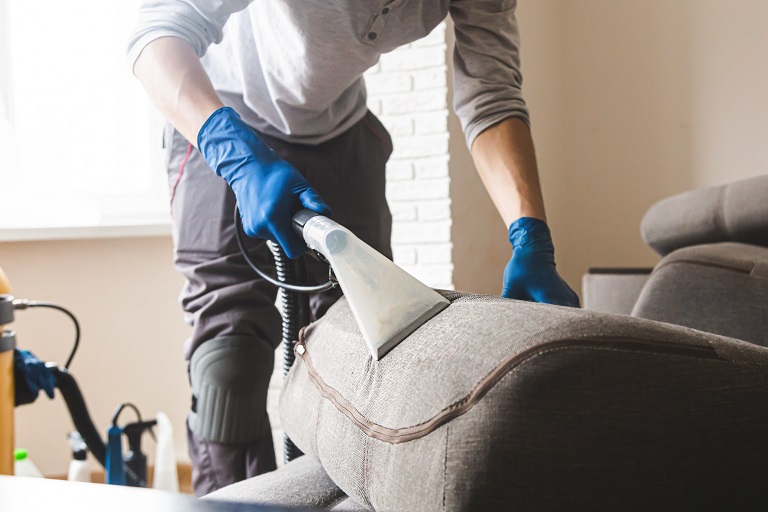
Our furry friends bring joy, comfort, and companionship into our homes—but they also bring their claws, fur, and playful chaos. If you’re a pet owner, you’ve likely faced the frustration of torn upholstery, lingering pet odors, or a sofa that seems to attract hair like a magnet. Fortunately, with smart sofa repair solutions, you don’t have to choose between a beautiful living room and a pet-friendly environment. This blog explores practical and stylish ways to pet-proof your sofa through expert repair techniques, smart fabric choices, and maintenance tips that work.
Why Pets and Sofas Don’t Always Get Along
Cats love to scratch. Dogs shed. And both love to nap where you sit. Over time, your once-pristine sofa may begin to show signs of wear: frayed fabric, embedded fur, and unpleasant smells. While replacing your sofa might seem like the only option, sofa repair offers a cost-effective and eco-conscious alternative.
Whether your couch is leather, velvet, linen, or synthetic, there are repair solutions that restore its look—and make it tougher against future pet damage.
Reinforced Upholstery for Scratch Resistance
Claw marks are the most common pet-related damage to sofas, especially on the arms and corners. Standard fabrics often don’t stand a chance, but when reupholstering your sofa, you can opt for scratch-resistant materials such as:
- Microfiber: Tightly woven, soft, and resistant to claws.
- Canvas or Denim: Thick and durable, ideal for high-use furniture.
- Synthetic Leather (Faux Leather): Easy to clean and less attractive to scratching.
- Tightly Woven Crypton or Performance Fabric: Engineered for pet resistance, stain-proof, and moisture-repellent.
When repairing a sofa, professional upholsterers can add an extra layer of padding or a backing fabric under the outer layer to make it tougher and longer-lasting.
Strategic Fabric Repair & Patchwork
For sofas already suffering from pet damage, targeted repair is key. Upholstery professionals can:
- Patch torn fabric using closely matched materials or decorative patches.
- Re-stitch seams that have loosened or split from rough pet activity.
- Replace damaged cushions or inserts that have lost shape from jumping or clawing.
These solutions not only restore your sofa’s structure but also extend its life without the cost of a full replacement.
Fur-Resistant Fabric and Cleaning Techniques
Some fabrics act like a fur magnet. If your sofa constantly looks furry, even after vacuuming, you may want to switch to materials like:
- Leather and Faux Leather: Fur doesn’t stick and wipes off easily.
- Tightly woven polyester or microfiber: Less static and easier to clean.
If you’re not reupholstering the entire sofa, replace high-traffic areas like seat cushions with these fur-resistant fabrics. Professionals can also apply anti-static sprays or fabric coatings that repel fur and make cleaning easier.
Odor Control and Deep Cleaning Repairs
Let’s face it—pets can sometimes be smelly. Accidents, wet fur, and lingering pet scents can seep into your sofa’s foam and fabric. Sofa repair services can address this by:
- Replacing the internal foam or padding that’s absorbed odors.
- Using odor-neutralizing sprays or ozone treatments during repairs.
- Applying washable slipcovers or stain-resistant coatings during reupholstering.
Opting for removable and washable cushion covers is also a smart long-term solution. These are easy to take off, clean, and replace—keeping your sofa fresh despite your pet’s habits.
Smart Protective Add-ons
Besides repairing your sofa, professionals can offer pet-proof add-ons that blend style with practicality:
- Armrest covers and corner guards made from tough materials to protect high-scratch zones.
- Custom slipcovers tailored to your sofa’s dimensions and aesthetic.
- Waterproof underlays beneath cushions to protect the inner foam from accidents.
These can be installed during or after repair, and they’re especially useful for households with young pets still learning the rules.
Bonus Tips: Training and Maintenance
Even the best repair job won’t last without a bit of prevention. Here are a few pet-parent habits to adopt:
- Provide scratching alternatives: Keep a scratching post near your sofa.
- Trim nails regularly: Short nails reduce damage.
- Use deterrent sprays: Available at pet stores, these discourage scratching.
- Vacuum weekly: Use a pet-hair vacuum attachment for upholstery.
- Train with positive reinforcement: Reward your pet for staying off furniture or using designated areas.
Final Thoughts
Sofa repair Dubai for pet-related damage isn’t just about fixing what’s broken—it’s about making your furniture more durable, functional, and stylish for your real-life needs. With the right upholstery materials, repair techniques, and maintenance habits, your sofa can remain a centerpiece of comfort and design—without sacrificing your pet’s place in the home.
Ready to breathe new life into your sofa? Contact a professional sofa repair expert who understands pet-proofing and get the best of both worlds: a beautiful sofa and a happy, furry companion by your side.
