

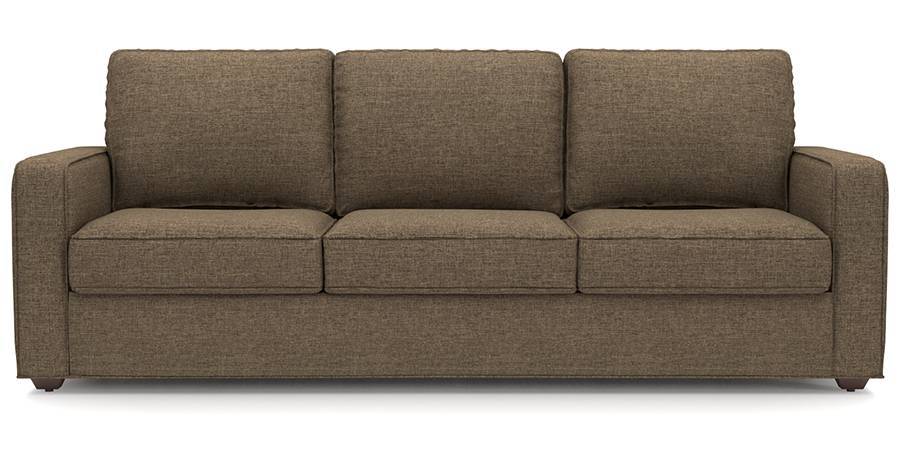
In a world where conscious consumerism is becoming the norm, sustainability is no longer just a trend—it’s a lifestyle. From fashion to food, people are making greener choices, and home décor is no exception. One area gaining traction is sustainable sofa upholstery—where eco-friendly fabrics meet elevated aesthetics. The good news? You don’t have to choose between style and sustainability anymore.
Whether you’re reupholstering an old couch or investing in a new piece, eco-conscious fabrics are an excellent way to reduce your environmental footprint without compromising comfort or design. Let’s dive into the best sustainable sofa upholstery options, how they’re made, and why they’re worth considering.
Why Choose Sustainable Upholstery?
Sofas are one of the most-used furniture pieces in any home. However, traditional upholstery materials often involve chemical-heavy processing, synthetic fibers, or non-renewable resources. These not only contribute to pollution but can also emit volatile organic compounds (VOCs), affecting indoor air quality.
Sustainable upholstery fabrics, on the other hand, are:
Made from natural, renewable, or recycled materials
Produced with fewer chemicals and water usage
Often biodegradable or recyclable
Durable, stylish, and versatile
Making the switch to eco-friendly upholstery isn’t just good for the planet—it’s a healthier, longer-lasting investment for your home.
Top Eco-Friendly Sofa Upholstery Fabrics
Here are some of the most stylish and sustainable upholstery options making waves in 2025:
Organic Cotton
Grown without harmful pesticides and chemicals, organic cotton is a breathable, soft, and biodegradable fabric. It’s perfect for families or individuals looking for a clean, natural feel. Look for GOTS-certified (Global Organic Textile Standard) cotton to ensure it’s genuinely organic.
Pros: Soft texture, hypoallergenic, naturally breathable
Best for: Casual, cozy living rooms and minimalist aesthetics
Linen (Especially Belgian or Flax Linen)
Linen is made from the flax plant, which requires minimal water and pesticides to grow. It’s incredibly durable and gets softer over time, making it ideal for long-term use.
Pros: Antibacterial, strong fiber, excellent for warm climates
Best for: Elegant, rustic, or coastal-inspired interiors
Recycled Polyester (rPET)
While polyester itself is synthetic, recycled polyester—made from post-consumer plastic bottles—gives waste a second life. When blended with natural fibers, it can create high-performance, low-impact fabrics suitable for high-traffic areas.
Pros: Stain-resistant, long-lasting, affordable
Best for: Households with kids or pets
One of the most sustainable textiles available, hemp is naturally pest-resistant, fast-growing, and requires little water. It’s also extremely durable and becomes softer over time.
Pros: Strong fiber, mildew-resistant, breathable
Best for: Eco-modern or industrial-style living spaces
Tencel / Lyocell
Derived from sustainably sourced wood pulp, Tencel is a silky, biodegradable fabric manufactured in a closed-loop process that reuses 99% of the solvents. It’s gentle on the skin and elegant in appearance.
Pros: Smooth feel, moisture-wicking, low environmental impact
Best for: Luxe and contemporary interiors
Certifications to Look For
When shopping for sustainable sofa upholstery, keep an eye out for credible certifications that validate environmental claims:
GOTS (Global Organic Textile Standard): For organic fibers like cotton or wool
OEKO-TEX Standard 100: Ensures the fabric is free from harmful substances
FSC (Forest Stewardship Council): For wood and forest-based products (like Tencel)
Cradle to Cradle Certified™: Evaluates products for environmental and human health impacts
These certifications help filter out greenwashing and ensure that what you’re buying aligns with sustainable values.
Style Meets Substance: How to Design with Sustainable Fabrics
Choosing sustainable doesn’t mean sacrificing style. In fact, many eco-friendly fabrics come in a wide variety of colors, textures, and weaves. Here are a few ideas to help integrate them into your space:
Go Neutral: Linen and hemp often come in earthy tones that provide a clean, calming foundation.
Layer Textures: Combine recycled velvet cushions with a linen sofa for contrast and richness.
Bold Accents: Organic cotton in bright prints or patterns can add vibrancy without chemicals or synthetic dyes.
Mix Old and New: Reupholstering a vintage sofa with sustainable fabric creates a unique piece with character and conscience.
Caring for Eco-Friendly Upholstery
Sustainable fabrics are built to last, but proper care extends their lifespan even more. Here’s how:
Vacuum regularly to prevent dust buildup
Spot clean with natural detergents (avoid harsh chemicals)
Protect from direct sunlight to prevent fading
Use removable, washable slipcovers for added durability
Final Thoughts
Sustainable sofa upholstery Abu Dhabi is more than just a design choice—it’s a statement about how we live and what we value. By selecting eco-friendly fabrics, you’re contributing to a healthier planet, supporting ethical production, and enhancing your home with materials that tell a story.
As the demand for green living continues to grow, sustainable materials are no longer niche—they’re the new standard. So, whether you’re revamping your living room or starting fresh, go ahead and upholster with purpose. Your sofa (and the Earth) will thank you.
